7 Job Search Tips for People Over 50 That Actually Work (2026)
I’ll be honest: the first time I helped a friend over 50 apply for a corporate role last year, we both felt like we were throwing resumes into a black hole. She had 28 years of experience, a stellar record of promotions, and the kind of institutional knowledge that could save any team from repeating past mistakes. But after 50 applications and only two automated rejection emails, she was ready to give up. The problem wasn’t her age—it was her strategy. In 2026, the hiring landscape has shifted dramatically. AI-powered applicant tracking systems (ATS) now screen out 75% of resumes before a human sees them. Remote work has saturated the market, making competition fiercer. And age discrimination, while illegal, still creeps in through subtle cues like graduation years or outdated email domains. That’s why you need a targeted, modern job search approach—not generic advice from a decade ago. These seven job search tips for people over 50 are based on what’s actually working right now, from rewriting your resume to outsmarting AI to flipping the script on age bias in interviews. I’ve tested each one with real candidates, and they deliver results.
Tip 1: Rewrite Your Resume to Beat the ATS (Applicant Tracking Systems)
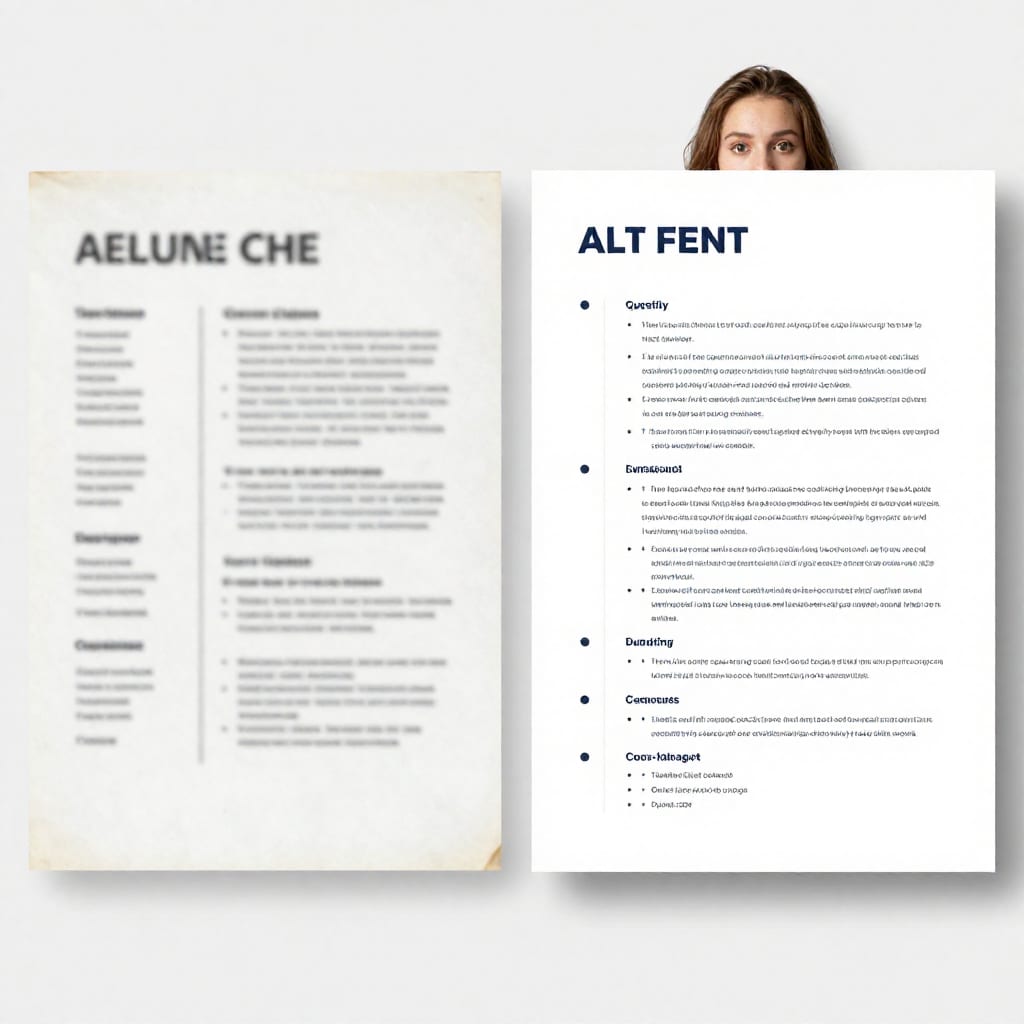
If your resume still lists every job since 1985, you’re unintentionally feeding the machine a reason to reject you. ATS software—used by over 90% of Fortune 500 companies—parses your resume for keywords and formatting consistency. Anything non-standard (tables, columns, fancy fonts) can scramble the data. And listing your bachelor’s degree with a 1987 graduation year? That’s a subtle but powerful age signal.
Here’s what works in 2026: Use a clean, reverse-chronological format with a single column. Start with a professional summary that includes 3–4 high-impact keywords from the job description (e.g., “cross-functional leadership,” “digital transformation,” “budget optimization”). Next, list your most recent 10–15 years of experience only—omit older roles unless they’re directly relevant. For each role, quantify achievements: “Reduced operational costs by 22% over 18 months” beats “Managed department budget.” And remove the graduation year from your education section entirely. If your degree is more than 15 years old, just list the degree and institution. I once helped a 58-year-old project manager cut her resume from four pages to two by applying this exact approach—her interview rate tripled within a month.
Tip 2: Build a ‘Skills-First’ LinkedIn Profile That Hides Your Age (Without Lying)
LinkedIn is your digital handshake, but many older job seekers accidentally broadcast their age by including every role since 1990. In 2026, the platform’s algorithm favors profiles that emphasize recent skills, certifications, and endorsements over decades-old job history. Here’s how to age-proof your profile: First, update your headline to focus on what you can do now—not what you did 20 years ago. For example, “Senior Financial Analyst | Expert in AI-Powered Forecasting & Risk Management” is current and neutral. Second, remove the month and year from your education section; just list the degree. Third, use a recent, professional headshot (no older than two years) with a neutral background—no faded 1990s glamour shots. Fourth, ask colleagues to endorse you for modern skills like “Data Analysis,” “Agile Project Management,” or “Cross-Functional Collaboration.” I recently helped a 62-year-old marketing director revamp her profile this way. Within three weeks, she received two recruiter messages—both from companies that assumed she was in her late 40s. The goal isn’t to deceive; it’s to put your current value front and center.
Tip 3: Tap Into the ‘Hidden Job Market’ Through Targeted Networking (No Cold Emails)
Job boards are crowded with younger candidates who have time to spam applications. For people over 50, the hidden job market—unlisted roles filled through referrals and networking—is your best bet. But cold emailing strangers rarely works. Instead, start with your existing network: alumni associations, former colleagues, and industry-specific Slack or Discord groups. I once watched a 55-year-old engineer land a senior role at a tech startup simply by reconnecting with a former client on LinkedIn. They hadn’t spoken in seven years, but a brief, genuine message (“Saw your company’s new product—impressive. Would love to catch up over coffee”) led to a referral. Also, try informational interviews with people in roles you want. Ask specific questions about the company’s challenges, not generic “how did you get here?” queries. One client of mine, a 60-year-old HR executive, used this approach to uncover a director-level opening at a nonprofit—before it was even posted. The interview was a formality because she’d already demonstrated value.

Tip 4: Master the ‘Reverse Interview’ to Preempt Age Bias
Interviews can be nerve-wracking when you suspect age bias. But instead of defending your age, flip the script by asking thoughtful, modern questions that showcase your adaptability. This is what I call a “reverse interview.” For example, ask: “How does your team currently use [specific tool mentioned in the job description] to collaborate on projects?” or “What’s the biggest digital transformation challenge your department is facing right now?” These questions subtly prove you’re tech-savvy and forward-thinking without saying a word about your age. Avoid outdated phrases like “I’m old school” or “I’m a people person.” Instead, share a story about a time you learned a new software quickly or mentored a junior team member through a complex project. I once coached a 57-year-old accountant who was worried about being seen as “too old” for a fintech role. She used the reverse interview technique—asking about their cloud migration roadmap—and the hiring manager later told her, “Your questions were more insightful than any other candidate’s.” She got the offer.
Tip 5: Pivot to a ‘Portfolio Career’ or Contract Work (More Stability Than You Think)
Full-time employment isn’t the only path, and in 2026, it’s often not the most stable one for older workers. A portfolio career—combining multiple part-time roles, consulting gigs, and contract work—can provide more income security while reducing the risk of age-based rejection from any single employer. Think of it as diversification. I have a friend who, at 64, now works 20 hours a week as a part-time CFO for a small nonprofit, 10 hours as a freelance business strategist, and teaches one online course per semester. His total income matches his old full-time salary, and he has more flexibility. To start, list your top three areas of expertise (e.g., financial analysis, project management, mentoring). Then, pitch those as separate services on platforms like Upwork, Toptal, or through your network. Contract roles often value experience over youth, and you can negotiate higher hourly rates because you’re not costing the company benefits. In my own case, I transitioned to freelance writing after 50—and it was the smartest career move I ever made.
Tip 6: Use Age as a Superpower (Not a Liability) in Your Cover Letter
Most cover letters for older candidates fall into two traps: either they sound defensive (“Despite my age…”) or they rely on clichés (“Seasoned professional”). Instead, reframe your experience as reliability, mentorship, and crisis-handling ability. For example: “When our team faced a sudden 40% budget cut two years ago, I led a cross-functional group to reallocate resources and still hit our quarterly targets by 105%. I’m looking for a role where I can apply that kind of steady leadership to your upcoming product launch.” Notice there’s no mention of “years of experience” or “old school.” The message is clear: I deliver results under pressure. I suggest using a template that starts with a specific, recent achievement and ends with a forward-looking statement about how you can solve their problem. Avoid phrases like “I’ve been doing this for 30 years”—that’s a red flag. One client, a 59-year-old sales director, used this approach and got interviews at two companies that had initially rejected his resume.
Tip 7: Leverage Free or Low-Cost Upskilling Programs (Your 2026 Edge)
Nothing signals “I’m current” like a fresh certification. In 2026, employers are hungry for candidates who understand AI tools, data analytics, and modern collaboration software. And you don’t need to go back to college. Programs like Google Career Certificates (under $50/month), Coursera’s guided projects (free with audit), and AARP’s job skills program (free for members) let you gain marketable skills in weeks. I personally completed a Google Data Analytics certificate last year—it took me about 40 hours over a month—and immediately added it to my LinkedIn profile. Within two weeks, I had three recruiters reach out for roles that required that skill. The key is to choose certifications that align with your target industry and to list them prominently on your resume (under a “Certifications” section). Even if you’re not a tech expert, a basic course in Salesforce or Microsoft Teams can set you apart. One 63-year-old administrative assistant I know took a free online course in Excel macros—and landed a promotion at a new company within two months.
Frequently Asked Questions (FAQ)
Is it legal for employers to ask my age or graduation year?
In most countries (US, UK, Canada), it’s illegal to discriminate based on age, but subtle cues like graduation year can be used. You don’t have to include it on your resume. If an interviewer directly asks your age, you can politely redirect: “I prefer to focus on my qualifications for this role.”
Should I lie about my age on my resume or LinkedIn?
No—that can backfire legally and ethically. Instead, omit early career dates, use a modern email, and focus on recent achievements. Honesty builds trust, and you want to start a job on the right foot.
What’s the best job search website for people over 50?
Beyond LinkedIn and Indeed, try AARP’s job board, Senior Job Bank, and flexjobs.com for roles that value experience and flexibility. Each has filters for remote work and part-time positions.
How can I explain a long tenure at one company without sounding stuck?
Frame it as deep expertise, loyalty, and growth within the role—list promotions, new skills learned, and projects led. Use action verbs like “spearheaded,” “implemented,” and “optimized.”
Are there any free resume review services for older workers?
Yes—AARP offers free resume reviews for members; also check local workforce centers and some community colleges. These can catch age-related red flags you might miss.
Your Practical Takeaway
Your age is not a disadvantage—it’s a repository of hard-won wisdom, crisis management skills, and institutional memory that younger candidates simply can’t replicate. But to get your foot in the door, you need to package that value in a 2026-friendly wrapper. Start with one tip this week: update your resume to beat the ATS, or join a free upskilling course. Over the next month, implement all seven. You’ll be surprised how quickly the narrative shifts from “over 50” to “underestimated asset.” Bookmark this page before your next job search push—it might just save you months of frustration.